To guarantee your vehicle performs smoothly and safely, you'll need general mechanical maintenance. Start with basic maintenance like monitoring fluid status and tire pressure inspections. Remember to change your oil every 5k-8k miles and check brake fluid status. Get to know critical powertrain components to identify potential issues early on. Don't forget to check the braking components and suspension for deterioration. Utilize digital solutions for upkeep management and troubleshooting to avoid unexpected issues. Select professional mechanics with ASE-certified staff and up-to-date equipment for dependable repairs. Considering the future, understanding advanced repair methods may be worth considering.
Core Concepts
- Scheduled upkeep, such as engine oil replacement and tire pressure checks, is essential for vehicle longevity and efficiency.
- Periodic brake maintenance and fluid maintenance safeguard safe operation and prevent serious problems.
- Understanding engine systems and frequent concerns aids in preventive vehicle maintenance.
- ASE-certified technicians deliver professional service guarantee for car maintenance and maintenance.
- Electrical system analysis detect performance issues and demand expert knowledge for advanced repairs.
Crucial Vehicle Service and Maintenance Solutions
Regarding essential car service and maintenance, grasping scheduled maintenance plans is essential to keeping your vehicle operates efficiently. By adhering to a preventative maintenance plan, you'll ensure sustained vehicle operation and reliability.
Commence with routine vehicle inspections and periodic checks of fluid status and tire inflation. These fundamental tasks can avoid bigger issues in the future. Remember to check the brake system and schedule oil changes at the suggested intervals. Moreover, update filters and inspect belts and hoses to avoid unplanned breakdowns.
Embrace digital maintenance monitoring to optimize your efforts. Automated service reminders and digital maintenance logs help you on top of your vehicle's needs.
Real-time diagnostics and tailored maintenance intervals facilitate accurate scheduling, boosting your vehicle's longevity. Service job management ensures nothing gets missed, delivering assurance.
Getting to Know Your Vehicle's Mechanical Systems
To effectively maintain your vehicle, you need to understand its critical components and their common issues.
Learn about the workings of engine parts, the basics of powertrain systems, and the importance of periodic brake servicing.
Furthermore, gaining insight into chassis systems, as well as electrical troubleshooting, will enable you to tackle maintenance needs early.
Essential Engine Knowledge and Troubleshooting
Familiarity with your vehicle's mechanical elements is crucial for keeping optimal operation and minimizing repair expenses. Let's focus on essential engine elements and frequent concerns.
The engine block functions as the core component that contains the cylinders where the combustion process takes place. The cylinders' pistons transform fuel energy to mechanical force. The crankshaft then converts this vertical motion into rotational force, driving your vehicle forward.
The valvetrain is crucial in controlling the timing of intake processes and controlling exhaust gas release. This incorporates a intricate network of camshafts, valves, and springs, keeping your engine running smoothly.
Common engine problems can manifest in various ways. Starting issues often indicate fuel system or electrical issues—examine the battery, starter motor, and fuel pump.
Performance issues like rough running or misfiring may be caused by worn spark plugs, clogged fuel injectors, or damaged oxygen sensors.
Overheating is another frequent concern, generally due to malfunctioning thermostats, failing water pumps, or coolant leaks. Be vigilant for symptoms like unusual noises or visual indicators such as unusual exhaust fumes.
Regular maintenance, including proper oil and air filter maintenance, is crucial for preventing these issues.
Understanding Transmission and Drivetrain
Mastering the intricacies of your vehicle's transmission and drivetrain is crucial to maintaining efficient power delivery and complete performance. The powertrain, including both engine and drivetrain, changes the engine's output into controlled movement.
Central to this system, the transmission controls power delivery, adjusting two primary types: stick shift, demanding clutch and gear input, and automatic, which autonomously manages gear changes via hydraulic systems.
When working with automatic transmissions, the torque converter plays a pivotal role by connecting the engine to the transmission. It enhances torque output through fluid coupling, making certain energy is transferred effectively.
The driveshaft, crafted from strong materials like aluminum or steel, transfers rotational force from the transmission to the differential, incorporating constant-velocity joints for seamless operation.
Understanding the differential is crucial; it permits wheels to rotate at different speeds during turns, sustaining power delivery, specifically in vehicles with multiple driven wheels.
Axles link the wheels to the differential, changing in configuration based on vehicle design.
To guarantee peak performance, regular maintenance and inspection of these components are essential, improving fuel efficiency and avoiding costly repairs.
Brake System Maintenance
Navigating the sophisticated world of brake system maintenance guarantees both safety and performance on the road. Your vehicle's brake system is a complex array of components like brake pads, rotors, calipers, brake lines, and fluid. Every element needs proper attention for maximum functionality.
Regular inspections, preferably performed yearly or more frequently depending on your driving conditions, are crucial for early problem detection.
Brake fluid maintenance is essential because it absorbs moisture, leading to decreased performance and corrosion. Replace it every 2-3 years or 30,000 miles. In addition, keep track of brake pads—they deteriorate naturally and typically need replacement between 25K and 70K miles.
Be alert to warning signs like unusual noises—like squealing, grinding, or metal-on-metal sounds—and symptoms such as a soft brake pedal, vehicle pulling to one side, pedal vibrations, or extended stopping distances. These signs need prompt service from a certified technician.
Regular maintenance includes monthly brake fluid level checks and pad thickness evaluations. Moreover, maintain smooth braking practices and avoid riding the brakes.
Understanding Suspension and Steering Parts
Navigating the intricate elements of suspension and steering is fundamental for ensuring your vehicle's performance and safety. Your suspension system utilizes different springs—such as coil, leaf, torsion bars, and air—to support the vehicle's weight and dampen impacts.
Dampening elements including control arms, shock absorbers, struts, and bushings regulate wheel movement and decrease vibration. Together, these parts stabilize your ride, enhancing comfort and handling.
In steering, essential parts include the steering wheel, column, rack and pinion, tie rods, and ball joints. Steering assist mechanisms—whether hybrid, hydraulic, or electric—offer essential assistance, making steering smoother and more accurate.
Recognizing signs of issues is essential. If you observe steering difficulties, excessive bouncing, or uneven tire wear, these could indicate suspension or steering problems.
Routine inspections are paramount. Examine shock absorbers, bushings, and power steering fluid levels regularly. Fix any unusual noises or vehicle pulling without delay.
Periodic alignment checks and maintenance of moving parts can prevent long-term damage. By comprehending and servicing these systems, you secure consistent road contact, predictable braking, and a smoother driving experience, ultimately improving your vehicle's performance and overall safety.
Vehicle Electrical Diagnostics
Understanding the complexities of your vehicle's electrical system plays a vital role in ensuring optimal functionality and reliability. Contemporary cars are built around these systems for functions ranging from vital operations to comfort features, making diagnostics an essential competency.
Start with the proper tools: a voltage meter for measuring electrical parameters; OBD scanners for interpreting system alerts; and scope meters for examining signal patterns.
Initiate diagnostics by gathering information about symptoms and examining components for wear and deterioration. A systematic approach initiates with a power source assessment, proceeding to alternator output testing and earth point validation.
Circuit protection inspection are important to identify any current flow issues. Common issues often involve the cranking system, such as power source problems or starter motor failures, and alternator problems like charging circuit malfunctions.
Sophisticated methods, like waveform interpretation and current drain analysis, help diagnose complex issues. For electronic control unit analysis, validate ECU communication and input device functionality are intact.
Preventive care, including power connection maintenance and wire harness inspections, remains vital. Request expert assistance for challenging technical issues, documenting repairs to monitor problem patterns and ensure complete fixes.
Selecting a Professional Auto Repair Shop
When looking for a qualified auto repair facility, make sure to look for businesses with ASE-qualified specialists to ensure you receive expert repairs.
Remember to evaluate warranty coverage terms to comprehend what coverage is provided with your repairs.
Be sure to compare their equipment and technology, together with pricing structure and client support, to determine the best match for your vehicle requirements.
What You Need to Know About ASE Certification
Selecting a qualified auto repair shop can be challenging, but being familiar with ASE certification simplifies the process. ASE certification, awarded by the National Institute for Automotive Service Excellence, represents the automotive industry's standard for professional competence.
As you search for an auto shop, look for the blue ASE seal and technicians displaying ASE patches. These credentials verify that the technicians have achieved demanding standards through thorough testing in specialized areas like electrical systems, engine repair, and brake service.
Technicians earn ASE certification by completing two years of on-the-job training or pairing one year of experience with a two-year automotive degree, before passing specialized exams. To retain certification, they must renew their credentials every five years, ensuring they remain current on the latest automotive technology.
This commitment to continuous education ensures that certified technicians are qualified to efficiently troubleshoot and fix modern vehicles' advanced systems.
Master ASE Certification takes it a step further, demanding technicians to succeed in multiple tests across various specialties, showing their comprehensive expertise.
Service Warranty Information
Navigating the details of service warranties plays a vital role when choosing a professional auto repair shop. You need to understand the varieties of warranties—factory and extended—to ensure your vehicle receives the appropriate coverage.
Factory warranties, included with new vehicles, generally include bumper-to-bumper and powertrain coverage for specific durations. In contrast, extended warranties offer optional protection beyond factory terms and can be tailored to incorporate benefits like roadside assistance.
When assessing a warranty provider, prioritize those with BBB accreditation, direct billing capabilities to repair shops, and various repair facility choices. Ensure they offer transparent terms and transparent pricing, which will protect you against unexpected costs.
It's critical to know what's protected and exempted—mechanical and electrical problems are typically covered, while regular maintenance and normal wear and tear are not.
To get the most from your warranty benefits, keep detailed service records and adhere to the manufacturer's maintenance schedule. This guarantees seamless claims processing and prevents disputes.
As you select a repair shop, seek out one that offers extensive warranty options, handles clear documentation, and provides clear updates, making sure your vehicle is in qualified hands.
Technical Standards and Equipment
In evaluating a qualified auto repair shop, you must examine technical capabilities and equipment, guaranteeing your vehicle obtains superior care.
The shop should have basic safety apparatus, such as protective wear and fire protection measures. These components protect both technicians and your automobile.
Look for robust vehicle lifting equipment, including two-post lifts and motor lifts, which are essential for efficient and reliable repairs.
Assess their diagnostic technology. Up-to-date shops should utilize computerized diagnostic tools, digital inspection software, and alignment measurement systems to properly assess vehicle problems.
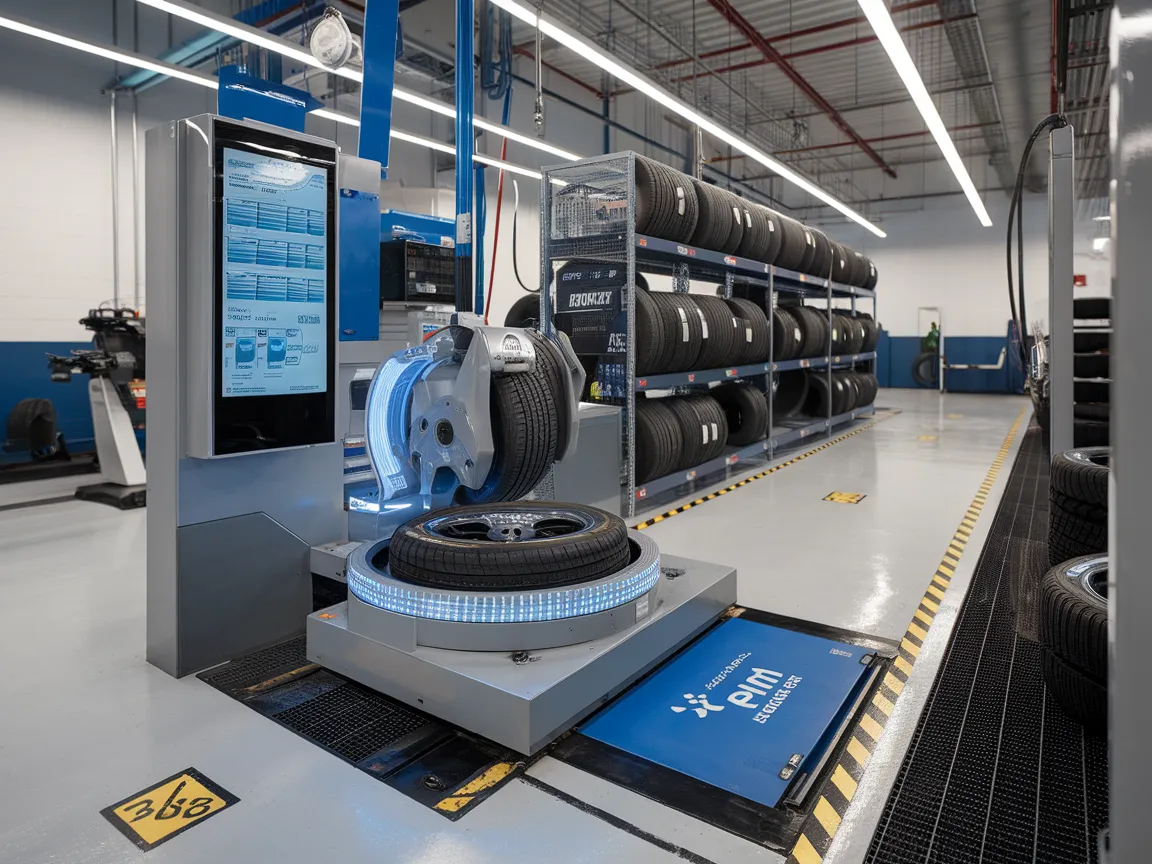
Specialized service tools such as fluid management systems and professional tools like brake lathes and tire service machines are crucial for comprehensive services.
Check digital system integration with service management software that improve operations, inventory, and client interactions. This ensures productivity and openness.
Service standards are non-negotiable; the shop needs to implement equipment maintenance protocols, featuring routine calibration and safety checks, satisfying industry standards and regulatory requirements.
Cost Comparison Techniques
Working your way through the maze of auto repair costs demands a systematic approach to verify you're getting the most value for your money. Start with carrying out an initial assessment of your vehicle's make, model, year, and specific issues. This guarantees you receive accurate quotes. Note down all issues, indicators, and noises; this documentation helps mechanics to provide accurate estimates and avoids unnecessary diagnostic fees.
Once prepared, gather at least three estimates from reliable shops. Analyzing quotes allows you to spot both overpriced services and questionably cheap quotes that may signal subpar work. Examine parts quality, labor costs, warranty coverage, and extra services provided. Check for discrepancies in diagnostic fees and service breakdowns.
Standards are essential, so evaluate each shop's credibility by examining reviews, confirming certifications, and assessing cleanliness. Consider parts quality, whether original, alternative, or reconditioned, as this impacts reliability.
Finally, assess extra perks like guarantees, complimentary checks, or loaner cars. When making your decision, analyze total costs, including dependability and ease of service. Investigate price matching and service bundling possibilities for savings.
This detailed approach guarantees you pick a shop offering reliable repairs at a reasonable price.
Service Quality Guidelines
When choosing a professional auto repair shop, focusing on excellent customer service standards is vital to ensuring a rewarding and reliable experience.
Begin with examining their communication approach. A first-rate shop will explain complex repairs into simple terms, steering clear of technical jargon that could confuse you. They need to be transparent about pricing, offering detailed estimates before work begins and notifying you of any additional repairs needed.
Assess their service standards by looking for consistent service quality and mechanical knowledge. Certified technicians need to be employed, consistently enhancing their skills to service modern vehicles. This provides precise problem identification and excellent service, following manufacturer specifications.
Examine the client experience as well. A quality shop provides orderly workspaces with welcoming customer areas, demonstrating respect and commitment to service. Complete records of repair documentation, estimates, and repair authorizations must be on hand, establishing confidence.
Professional care includes preventive care recommendations and follow-up services to handle any follow-up issues.
DIY vs Professional Auto Repair Decision Making
Determining if you should handle auto repairs yourself or work with a professional is an important decision that affects both your budget and the lifespan of your vehicle.
Regarding simple tasks like common maintenance procedures, DIY is often a reasonable approach. These tasks need just basic tools like common garage tools.
However, safety should be your priority; never work without proper vehicle support equipment and don't position yourself under a car supported only by jacks.
Conversely, complicated major mechanical work and critical systems should be left to professionals. Professionals have the advantage of specialized equipment and factory training, guaranteeing the job is done right.
They offer access to factory documentation and quality assurance guarantees, which are essential for preserving your vehicle's integrity.
Evaluate the cost-benefit analysis: while DIY repairs reduce labor costs and offer schedule flexibility, professional services include advanced diagnostics and warranty coverage.
When unsure about your ability to competently and safely complete a repair, consulting a professional mechanic is wise.
Your decision should consider technical knowledge, safety concerns, and available tools to promote peak vehicle performance.
DIY Auto Repair Learning Resources
As you weigh the decision between DIY and professional auto repairs, knowing about the available resources for learning and support can influence your choice.
YouTube offers an extensive collection of video guides, with educators like ChrisFix and Eric The Car Guy delivering comprehensive videos on everything from routine oil changes to advanced engine repairs. These resources are essential whether you're just starting.
Discussion boards including Reddit's MechanicAdvice and the CarTalk Community provide access to a vast collection of community expertise. You can request guidance, diagnose concerns, and share experiences with other DIYers and experts.
These platforms excel at solving particular repair challenges through community support.
Access to professional repair manuals is essential for accuracy. Publications like Chilton and Haynes offer comprehensive, model-specific documentation that ensure you're following the correct procedures.
ALLDATAdiy provides current technical service bulletins and OEM specifications, boosting repair precision.
For systematic learning, platforms offering ASE Certification prep and manufacturer-specific training programs can elevate your technical skills.
Pair these with digital parts identification tools like AutoZone's parts finder for an all-encompassing repair experience, guaranteeing you have the proper components every time.
Effective Communication with Vehicle Professionals
Proper communication with automotive service professionals is essential to make sure you receive exact and efficient service. Commence by familiarizing yourself with basic automotive vocabulary. Knowing terms related to vehicle systems like engine parts, and automotive elements such as drivetrain and chassis, helps you communicate about issues precisely. Recognizing the significance of warning lights is also essential.
When explaining problems, be specific and exact. Note when and where the concern occurs, including exact conditions like environmental factors. Note unusual sounds, smells, Technical Equipment or vibrations. Utilize driver/passenger side references, describe symptoms without jumping to conclusions, and specify the timing and frequency of issues.
Maintaining records plays an crucial role in securing smooth service. Maintain records of your vehicle's maintenance history, previous repairs, and service intervals. Verify you have written repair authorizations, detailed cost estimates, and component guarantees.
Be sure to ask questions. During the preliminary meeting, discuss service duration, price details, and material standards. Ask for work updates and new discoveries during the service.
This preventive approach not only explains the process but also aids in comprehending maintenance advice. By adhering to these guidelines, you'll develop successful communication and enhance service outcomes.
Budget Management and Control
Grasping the complexities of auto repair costs is just as vital as establishing good dialogue with repair professionals. Initiate with a bottom-up estimation, analyzing individual repair aspects, assessing components, workforce, operational costs, and assessment periods. This systematic approach ensures you cover all cost aspects.
Alternatively, utilize a triple-estimate approach, calculating minimum, maximum, and probable expenses to determine a weighted projection. This method provides a comprehensive view of anticipated expenditures.
Explore insurance options to regulate spending. Standard coverage like collision and extensive policies can mitigate unexpected expenses, while additional coverage options deliver extra protection through factory guarantees or third-party coverage.
Assess these alternatives against your repair needs and coverage conditions.
Consider financing options and payment methods to manage repair expenses effectively. Standard financial solutions, like bank loans or credit cards, offers versatility, while alternative solutions such as deferred payment programs or emergency repair funds provide extra alternatives.
Proactive Service Strategies
Your vehicle's longevity can be significantly extended through a strategic service routine.
Start by following scheduled service intervals every 5,000 to 8,000 miles or approximately twice yearly. Regular servicing encompasses filter and oil replacement, fluid level inspections, rotating tires, and general checkups.
When reaching 15,000 miles, carry out intermediate services with complete car examinations and replace transmission fluid and air filters. At 30,000 miles, tackle major services like replacing spark plugs and brake fluid, along with replacing differential oil and cabin filters.
Fluid maintenance is essential. Consistently replace engine oil between 5,000 and 8,000 miles.
Transmission fluid needs replacement when reaching 30,000 miles to avoid damage. Change brake fluid every 25,000 miles or two years, and replace coolant every two years or 30,000 miles to prevent overheating.
Follow filter replacement guidelines: Replace engine air filters at 15,000-mile intervals and replace cabin filters at 30,000-mile intervals.
Replace oil filters with every oil change.
For wheel care, change tire positions between 5,000 and 8,000 miles, verify alignment yearly, and monitor tire pressure monthly.
Periodically examine battery connections for deterioration, monitor performance, and keep terminals clean to guarantee reliable operation.
Critical Car Repair Assistance
Even though preventive maintenance keeps your vehicle in optimal performance, sudden malfunctions can still occur. This is when urgent vehicle assistance become essential. With all-hours service support, you're consistently supported. This includes weekend and holiday assistance, guaranteeing assistance when you need it.
A immediate response number offers direct access, and with multi-language support, it's accessible to drivers from abroad. Coverage networks extend to both metropolitan and rural regions, providing major road coverage. Even cross-border assistance is available, with response time guarantees delivering rapid support.
Basic roadside help covers battery assistance, spare tire installation, gas delivery, lock solutions, and basic mechanical diagnostics. Security measures like safe vehicle placement and emergency light activation guarantee your safety while waiting.
Towing service coordination includes wheel-lift and flatbed transport, handling even commercial vehicles. Skilled operations and careful handling minimize further damage.
Temporary transportation solutions include temporary cars, rideshare coordination, and shuttle services. Moreover, lodging assistance can arrange hotels for overnight repairs and manage storage facility coordination.
In emergencies, these thorough solutions guarantee you're back on the road securely and promptly, limiting interruption and maintaining peace of mind.
Modern Auto Care System
Optimize your auto care by implementing digital auto service management tools.
Web-based maintenance planning and electronic service documentation keep your service needs organized and available.
With virtual vehicle monitoring and vehicle care applications, you stay alerted and aware of future service dates, ensuring timely and efficient automotive maintenance.
Web-Based Appointment Management
Advanced service scheduling technology revolutionizes how service centers and clients manage appointment scheduling. Moving from conventional phone booking to online platforms, customers can schedule services around the clock using digital channels, seeing immediate time slot openings. This assures you pick the most convenient time for your service.
With options to select specific services, complete with detailed descriptions, you're updated every step of the way.
Auto scheduling software improves customer management by digitalizing scheduling confirmations and storing vehicle information, preventing booking mistakes. It aligns scheduling systems, facilitating seamless staff scheduling, workload distribution, and facility utilization. This efficiency ensures service time is optimally distributed, reducing delays.
For auto repair shops, digital scheduling minimizes call disruptions, enhances booking management, and optimizes resource allocation through systematic alert mechanisms. This not only enhances operational efficiency but also enhances your experience by offering self-service booking, digital alerts, and simple appointment changes if necessary.
Digital Vehicle History Records
In today's changing landscape of automotive maintenance, digital vehicle history records are transforming how service information is managed and accessed. By upgrading from traditional paper logbooks using secure electronic documentation, you gain full visibility of your vehicle's maintenance records with ease. This centralized database documents all service work, repairs, and maintenance with precise timestamps, providing a verified and accessible history that accompanies your vehicle throughout its lifetime.
You'll discover that digital service records offer enhanced transparency, allowing you to digitally retrieve your vehicle's complete service history. This creates trust between you and your service provider.
Plus, the precision of digital systems prevents manual entry errors, offering a standardized documentation format that ensures consistent record-keeping across different service providers.
For future planning, digital records help you track and organize maintenance needs, maintaining timely service intervals and avoiding missed opportunities. As a result, your vehicle's resale value can be enhanced by a well-documented history, showcasing proof of proper maintenance.
Whether through proprietary platforms such as Mercedes-Benz DSB or through independent workshops with manufacturer-approved systems, you can expect thorough documentation, irrespective of where service is performed.
This transition to digitization delivers improved data security and better integration with modern vehicle technology.
Remote Diagnostic Services
Building on the foundation of digital vehicle history records, digital vehicle diagnostics take automotive maintenance to a higher standard by leveraging IoT and connected technologies. With these services, you can track and identify vehicle issues without a physical inspection. Through onboard diagnostic (OBD) devices and IoT sensors, your vehicle transmits real-time data about its system health, performance metrics, and potential issues.
Key components include equipment like monitoring systems, IoT sensors, data transmission units for data transmission, and edge computing devices. Technical solutions support these with continuous observation tools, issue detection software, predictive maintenance algorithms, and maintenance control panels.
The main capabilities are continuous observation and proactive upkeep. You'll benefit from ongoing system monitoring, system information analysis, performance status checks, and immediate alert generation. Proactive care enables prompt problem identification, performance pattern analysis, and upkeep planning enhancement to anticipate component failures.
For auto repair shops, these capabilities optimize diagnostic accuracy, decrease inspection time, streamline service scheduling, and facilitate better resource allocation.
As a vehicle owner, you'll benefit from minimized unexpected breakdowns, decreased service fees, convenient service scheduling, and transparent repair processes. Adopt this advanced system to guarantee your vehicle's optimization and consistency.
Service Reminder Systems
Digital service notification platforms revolutionize vehicle maintenance by digitizing service alerts and appointments, ensuring you stay on top of an essential service appointment. These intelligent tools replace outdated methods like sticky notes and whiteboards, offering adjustable service intervals determined by mileage or time. You'll receive timely notifications via mobile alerts, email, or text messages, continuously updating service cycles to maintain optimal vehicle performance.
Service reminder systems also excel in data management. They track extensive vehicle information, track maintenance history, and manage service costs with paperless records. This structured system helps with decreasing scheduling conflicts and enhancing service processes, directly enhancing customer communication and retention.
For car owners, these systems provide enhanced vehicle care. They guarantee timely service reminders and record preventive maintenance, documenting your vehicle's service history and supplying workshop location information. This proactive approach maximizes your vehicle's lifespan, decreases breakdown risks, and diminishes long-term maintenance costs while maintaining safety compliance.
When implementing these systems, assess features like multiple vehicle monitoring, customizable reminders, and seamless integration with existing systems.
Prioritize user experience with intuitive interfaces, easy appointment scheduling, and clear notifications to access your service history effortlessly.
Digital Solutions for Vehicle Maintenance
Service reminder systems have already transformed how you manage vehicle upkeep, but digital tracking solutions elevate this convenience to new heights by delivering a complete digital service management tool at your fingertips.
With apps like CARFAX Car Care, you can manage up to eight vehicles simultaneously, get tailored maintenance schedules aligned with your vehicle's specifications, and get alerts about safety recalls.
Drivvo allows you to track vehicle expenses and upkeep costs with comprehensive graphs, available in over 60 languages for global ease.
For those who prefer digital record keeping, AUTOsist is your go-to choice, offering digital documentation tools and multi-vehicle management with its premium version.
When you require diagnostic tools, iCarScanner links with your vehicle's OBD-II port for real-time data and fault code analysis.
Fixd simplifies complex diagnostics with easy-to-understand explanations and incorporates maintenance tracking.
Apps like YourMechanic and Openbay make finding and scheduling repairs seamless, offering repair estimates and service reservations directly through the app.
To maximize these tools, consistently refresh your vehicle's details, establish reminders, and maintain up-to-date service records in the app for efficiency and avoidance of unexpected repairs.
Modern Automotive Service Technologies
In today's rapidly advancing world, advanced auto repair technologies have transformed how vehicles are serviced and maintained. With computer diagnostic tools, specialists can effectively process complex vehicle data with ease. These tools interpret diagnostic codes, monitor real-time performance, and provide a thorough analysis of your vehicle's systems. They rapidly locate malfunctions, reducing the need for complete disassembly and saving effort and expenses.
When dealing with hybrid vehicles, expert understanding is essential due to their hybrid powertrains. You need skills in both powertrain and electrical components to guarantee peak performance. Periodic checks on power cell status, power management, brake regeneration, and electrical connections are fundamental to ensure efficiency.
Electric vehicles typically need less maintenance, but they still have unique needs. Monitoring power system efficiency, temperature control, suspension geometry, and software updates is vital to maintain optimal performance.
Software updates and programming play a crucial role in modern auto repair. By using calibration systems, you can modify vehicle settings, enhance performance, and perform remote diagnostics.
Adopting these technologies assures that your vehicle remains dependable and effective, paving the way for future advancements in auto repair.
Vehicle Service Records
Maintaining detailed service records transforms how you manage vehicle maintenance and guarantees complete service documentation.
Begin by implementing a organized record-keeping system. Each maintenance entry needs to document the service date, odometer reading, comprehensive repair notes, replaced components, and a cost breakdown. Be sure to note the mechanic's credentials for documentation. You can use a maintenance journal, a digital app, or cloud storage to maintain documentation and systematized.
When it comes to warranty records, ensure you have the warranty certificates and maintenance history. Maintain documentation of all warranty submissions and pictures of any maintenance work. Adhering to the manufacturer's maintenance schedule is vital for keeping warranties active. Record all correspondence with service centers and preserve invoices for all maintenance work, making sure these records are preserved for the warranty's duration.
For service approval, it's essential to have a detailed proposal outlining the service requirements. Secure separate signatures for evaluations and maintenance, and note any additional necessary work.
Document client information and vehicle information, comprehensive explanations of authorized work, and price quotes with anticipated schedules.
Your Rights as a Consumer
Steering through the world of auto repairs might seem daunting, but understanding your consumer rights makes certain you're protected. Auto repair laws compel shops to furnish written estimates for repairs over $100, needing your authorization before supplementary work. They can't legally exceed the estimated costs by more than 10% without your written consent.
Always check for your rights displayed prominently at the shop, including the right to inspect replaced parts and review your vehicle before payment.
Warranties are crucial. Repair shops have to extend a minimum three-month or 3,000-mile warranty on repairs and parts unless explicitly noted differently. Verify the warranty terms are recorded, outlining coverage limits, duration, and claim procedures.
If conflicts emerge, initiate direct communication—submit a complaint and demand a response within 14 days. If not settled, look into alternative dispute resolutions like the BBB AUTO LINE or state regulators. Legal action remains the last step.
Don't hesitate to seek a second opinion. Compare shop estimates, warranties, and certifications. Research the shop's background with grievances to confirm quality assurance.
Popular Questions
How Do I Maximize My Vehicle Battery's Longevity?
To maximize your vehicle's battery durability, regularly check and clean terminals, ensure it's firmly mounted, avoid frequent short trips, and test its charge. Maintain ideal charge levels and think about using a battery tender when parked.
What Are the Indicators if My Transmission Needs Attention?
You can identify a failing transmission when you experience rough or delayed gear shifts, abnormal noises, transmission fluid leaks, or a burnt odor. Monitor warning lights and erratic RPMs for further confirmation of transmission problems.
What's the Best Way to Select the Right Oil for My Car?
Check your car's manual for oil requirements. Factor in your driving conditions and climate. Use oil with the proper viscosity and API rating. Ask a professional if unsure. Regularly monitor oil levels and refresh it as recommended.
When Should I Replace My Car's Timing Belt?
Check your car's manual for recommended timing belt replacement intervals, usually every 60,000 to 100,000 miles. Monitor for signs like belt noise or hard starts. Never postpone replacement to prevent engine damage or costly repairs.
How Do I Go About for Troubleshooting a Car's Electrical Concern?
Begin by testing the battery and fuses for problems. Use a multimeter to measure voltage and continuity. Examine wiring for damage. Consult the vehicle's manual for particular electrical components and troubleshoot each circuit systematically for problems.
Key Takeaways
Regarding managing auto repairs, you should focus on comprehending your vehicle's internal components. Be certain to select a qualified repair facility carefully, understanding the appropriate moment to tackle DIY tasks and when to defer to expert help. Take advantage of digital maintenance tracking tools and stay informed about modern car tech to streamline service procedures. Keep detailed records of every repair and know your consumer rights to ensure proper service. By staying informed and resourceful, you'll effectively oversee your vehicle's maintenance and safeguard your vehicle value.
Connected references: C2ES Transportation Emissions Report